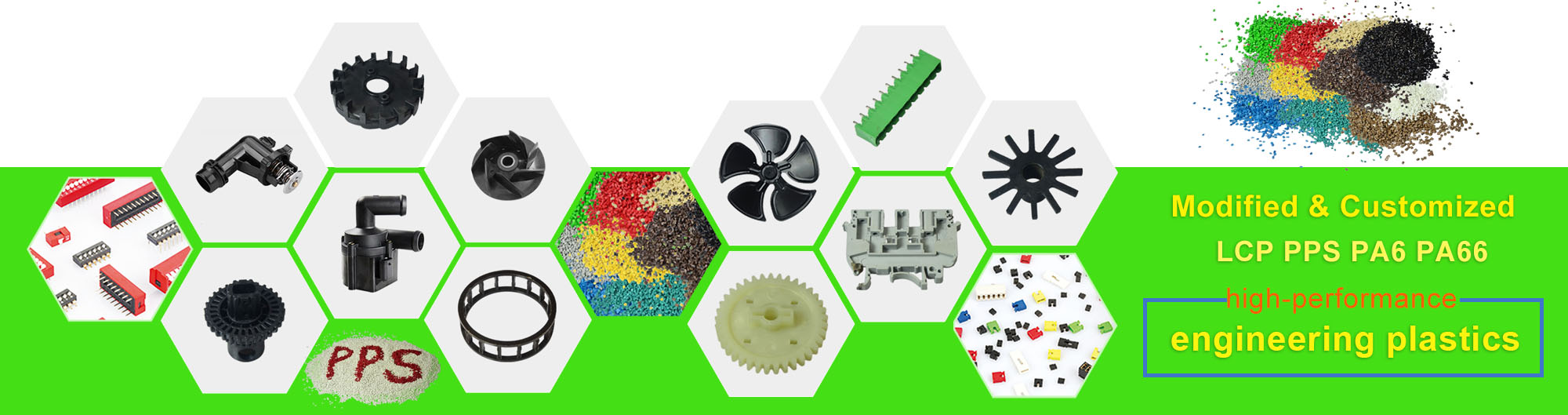
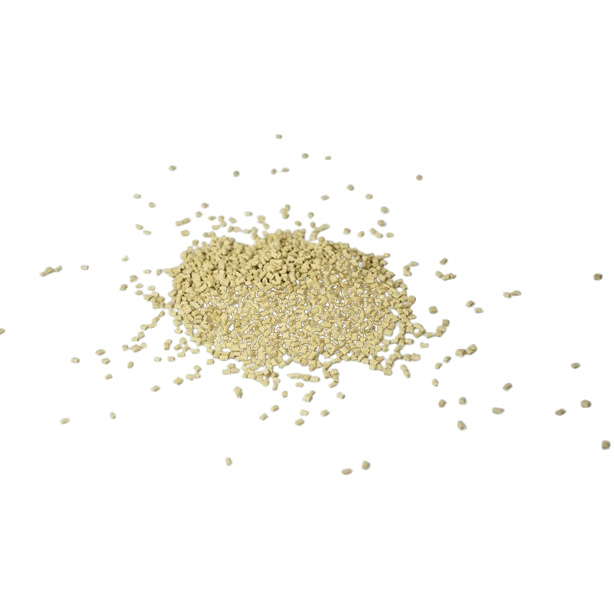
PPS alloy, low friction coefficient, low wear, corrosion resistance, excellent heat resistance
- Type: KLD30SF
- Product Name: PPS alloy, low friction coefficient, low wear, corrosion resistance, excellent heat resistance
Characteristics of PPS (polyphenylene sulfide) material:
Excellent high temperature resistance: able to work stably for a long time in a high temperature environment of 200-240 ℃, with very stable heat resistance. It can withstand high temperatures of 265 ℃ in the short term, and the hot deformation temperature is usually more than 265 ℃. Its melting point is between 285 ℃ and 300 ℃.
Product Details:
Product features: PPS alloy, low friction coefficient, low wear, corrosion resistance, excellent heat resistance
| Typical physical properties | |||||
| Performance | Standard | Unit | Fiberglass reinforced alloy | ||
| KLD30SF-NC | KLD30SF-BK | ||||
| Physical Property | Colour | - | - | Natural Color | Black Color |
| Density | ISO 1183 | g/cm3 | 1.55 | 1.55 | |
| Water absorption rate | ISO 62 | % | 0.02 | 0.02 | |
| Shrinkage rate MD/TD* | - | % | 0.3/0.5 | 0.3/0.5 | |
| Mechanical Performance | Tensile strength | ISO 527 | MPa | 150 | 150 |
| Elongation at break | ISO 527 | % | 1.2 | 1.2 | |
| Bending strength | ISO 178 | MPa | 200 | 200 | |
| Bending modulus | ISO 178 | GPa | 12.0 | 12.0 | |
| IZOD Notch Impact Strength | ISO 180 | kJ/m2 | 10.0 | 10.0 | |
| Other | Thermal deformation temperature | ISO 75 | ⁰C | 265 | 265 |
| Flame retardant performance | UL-94 | - | V0 | V0 | |
| Injection molding conditions | |||||
| 1. Pre-drying: Dry for 4 to 6 hours at a temperature of 120℃ to 150℃. | |||||
| 2. Barrel temperature: The recommended barrel temperature is 290~330℃. | |||||
| 3. Mold temperature: The recommended mold temperature is 130~150℃. | |||||
| 4. Injection pressure: The general injection pressure is 30~100MPa. In order to prevent flying edges, a lower injection pressure can be used. | |||||
| 5. Injection speed: To obtain molded products with good appearance, high-speed injection can be used. However, this can easily cause warping, burning, and other phenomena in the finished product. Therefore, if the product has a good appearance, high-speed injection is not necessary. | |||||
| 6. Back pressure: It is recommended that the back pressure does not exceed 1.0MPa. When the measurement is unstable, the back pressure should be appropriately increased. | |||||
| 7. Screw speed: The screw speed is usually set at 40-100 revolutions per minute (rpm). If the screw speed is higher than 200 rpm, it is easy to cause fiberglass breakage and cause resin heating. | |||||
More Products:
Nitrogen based flame retardant nylon PA66 PA6, tested by hot wire, needle flame, and ball pressure testing. Fiber reinforced 5%-60% customizable.
Type: KLD6006V0
Nitrogen based flame retardant nylon PA66, tested by hot wire, needle flame, and ball pressure testing. Fiber reinforced 5%-60% customizable.
Type: KLD6600V0
Red phosphorus flame retardant nylon PA66, tested by hot wire, needle flame, and ball pressure testing. Fiber reinforced 5%-60% customizable.
Type: KLD6606V0
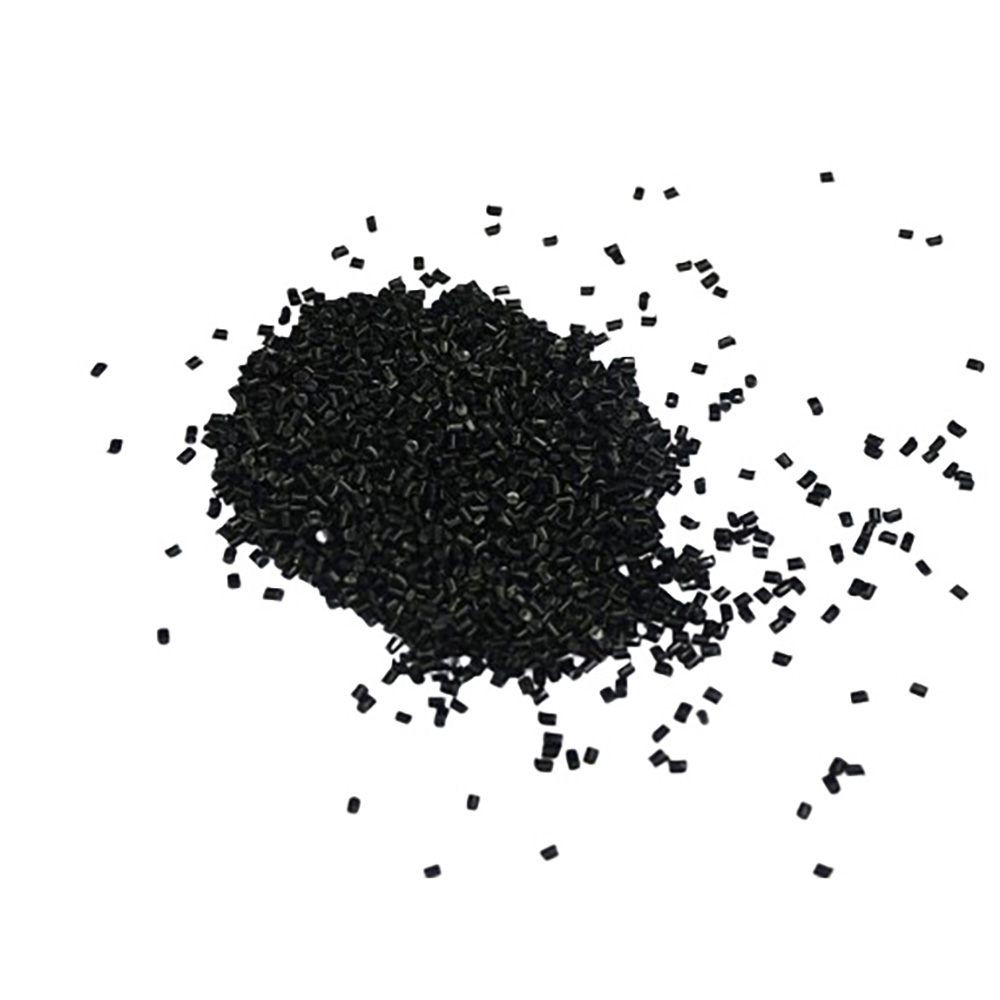
Reinforced flame-retardant nylon PA66 PA6, fiber reinforced 10% -50% can be customized
Type: KLD6030V0
Reinforced flame-retardant nylon PA66 PA6, fiber reinforced 10% -50% can be customized
Type: KLD6630V0
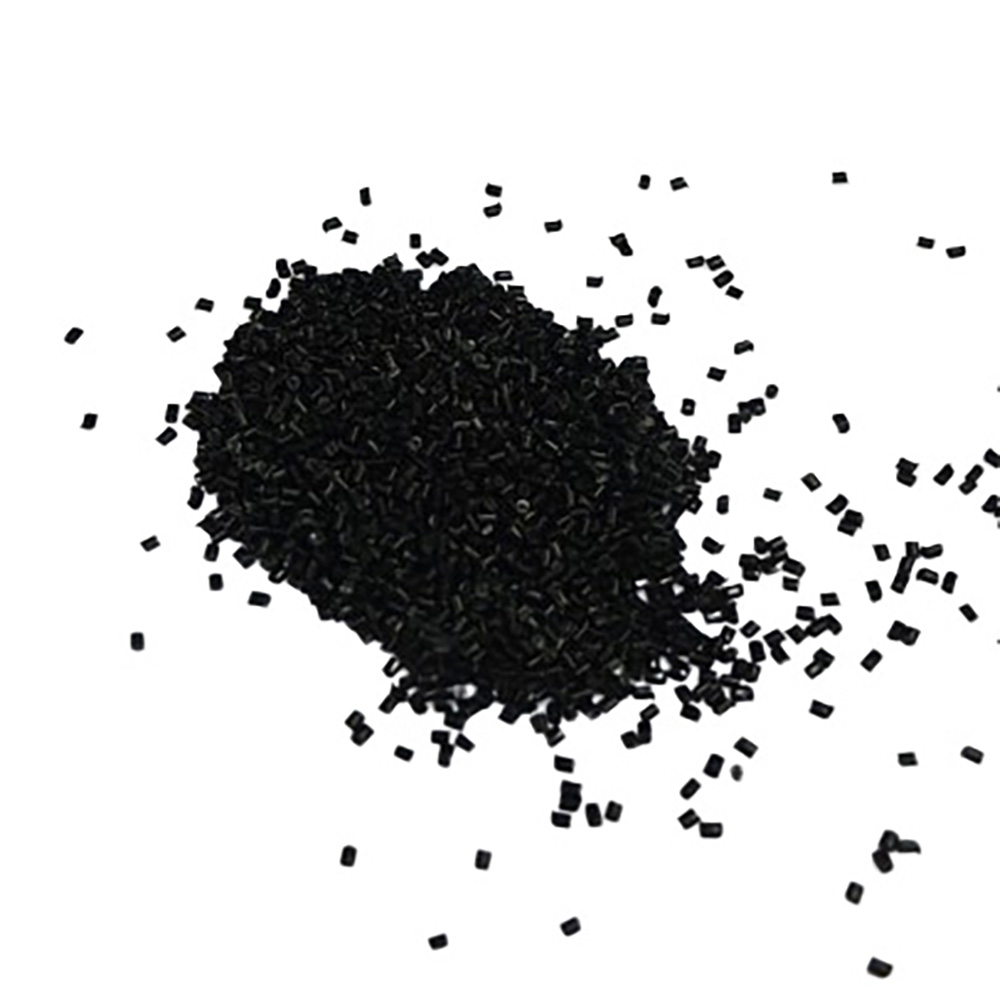
Fiberglass reinforced nylon PA66GF PA6GF, can be customized with 10% -50% fiber reinforcement
Type: KLD6030G
Fiberglass reinforced nylon PA66GF PA6GF, can be customized with 10% -50% fiber reinforcement
Type: KLD6630G
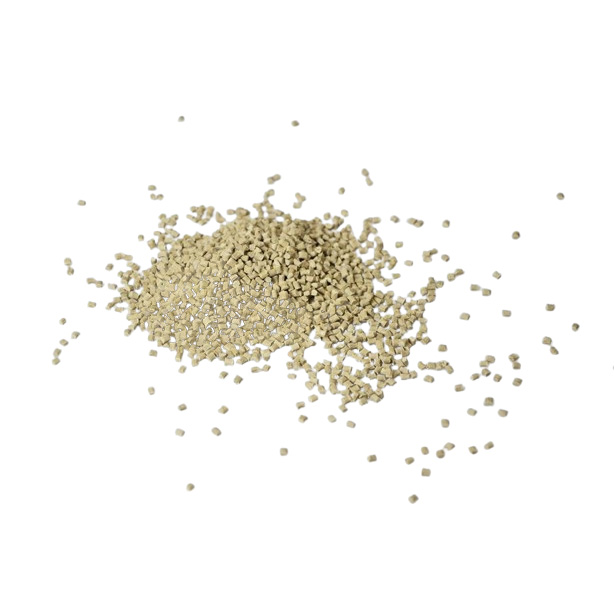
Reinforced and toughened nylon PA66 PA6, customizable with 10% -50% fiber reinforcement
Type: KLD6030GT